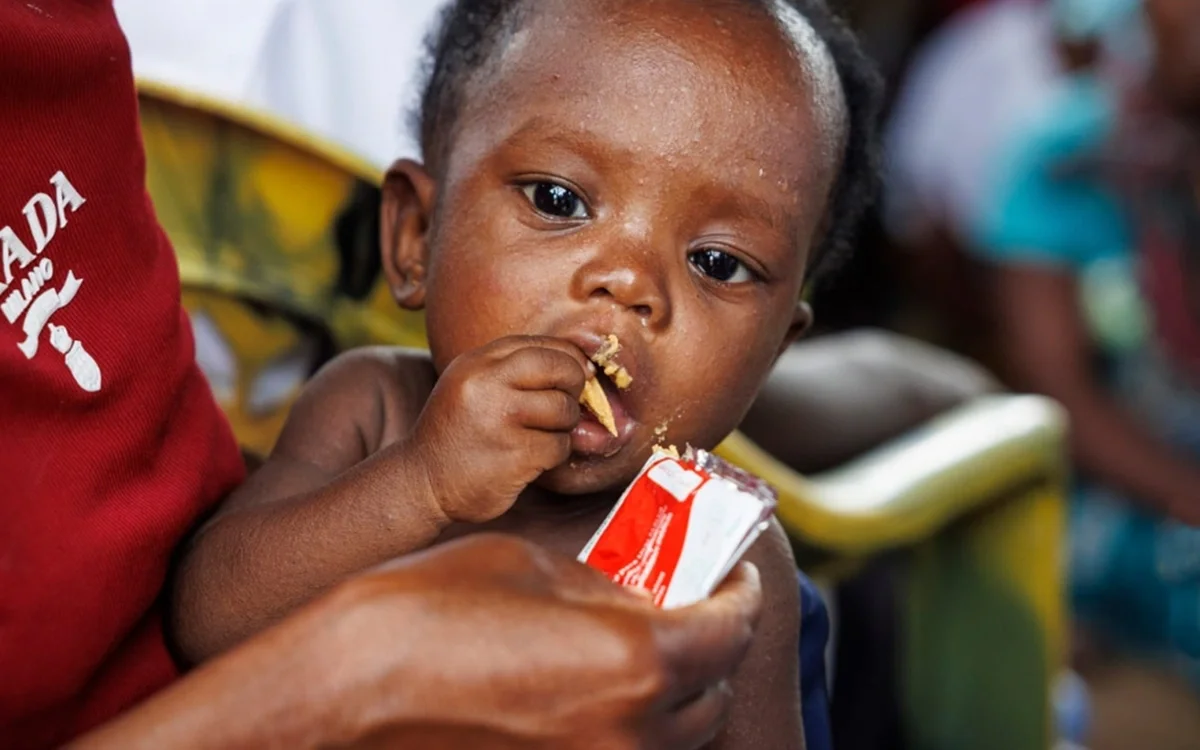
Good nutrition lifts everything. It helps children fight infections, succeed in school, and it keeps mothers safe in pregnancy and childbirth. Yet, despite its massive benefits, nutrition is often the forgotten ‘orphan’ – celebrated in theory, but neglected in funding.
In April 2025, many remote villages in Tete Province, Mozambique, were consistently not visited by health workers delivering essential services. While sudden foreign ODA cuts contributed to the strain, there were deeper problems: a fragmented infrastructure where separate health teams – from nutrition, to malaria and HIV – operated in siloes. With individual budgets stretched thin, the nutrition team originally had only enough resources to reach two districts, highlighting the need for change.
Moving beyond siloes
The rainy season added more challenges. Dirt roads turn into thick mud, stretching short trips into day-long journeys. For a mother living in a remote village, seeking care could mean enduring a 20km walk to a clinic. If she braved the walk to get her child a routine vaccine, she would need to make the same journey weeks later just to get a malaria net.
Health leaders in Tete could no longer afford to run separate, siloed programmes. The solution was not a new, expensive tool. It was to bring different teams together to pool their fuel, vehicles, and staff.
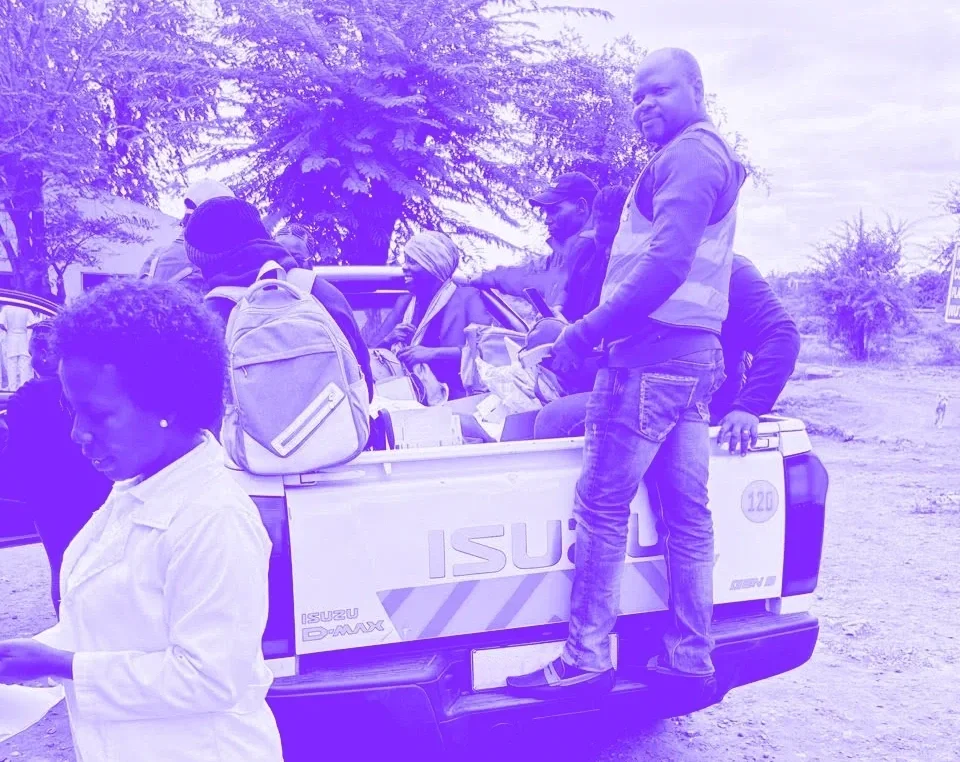
In the past, nutrition workers sometimes went along on immunisation trips, but resourcing issues often got in the way. That is why we supported health leaders to move beyond ‘piggybacking’ and launch integrated mobile brigades – intentionally bringing different health teams together to pool their resources and reach more communities.
An integrated outreach team in Tete Province, sharing a vehicle on its way to deliver nutrition, immunisation, malaria, and HIV services to remote communities.
This small shift allowed different partners and managers to sit at the same table and manage resources together. Weekly data dashboards from health facilities gave managers a clear view of stock levels. This helped them quickly ship out supplies before a remote clinic ran out.
Small changes, big impact: the power of a shared ride
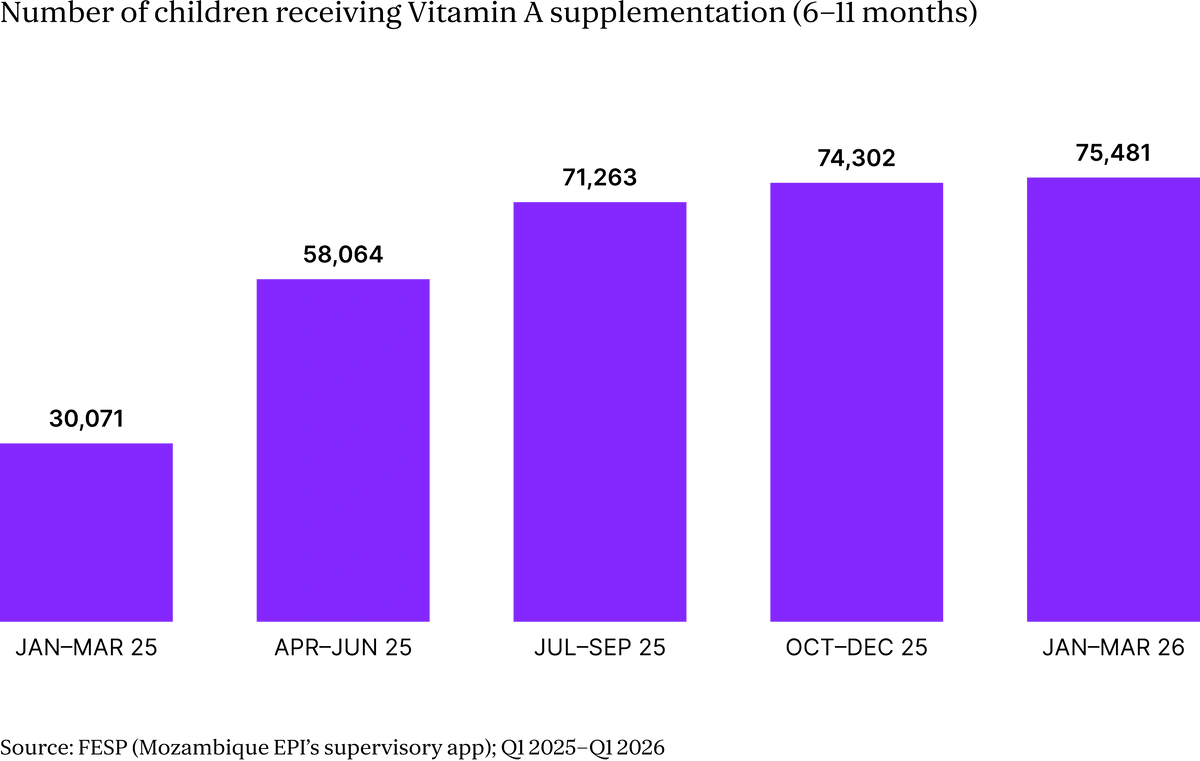
Within a year of moving to this new way of working across seven provinces, the number of children aged 6 to 59 months receiving vital Vitamin A supplements more than doubled, jumping from 90,212 to 182,282. In the same period, deworming treatments for children aged 12 to 59 months increased from 64,274 to 105,806.
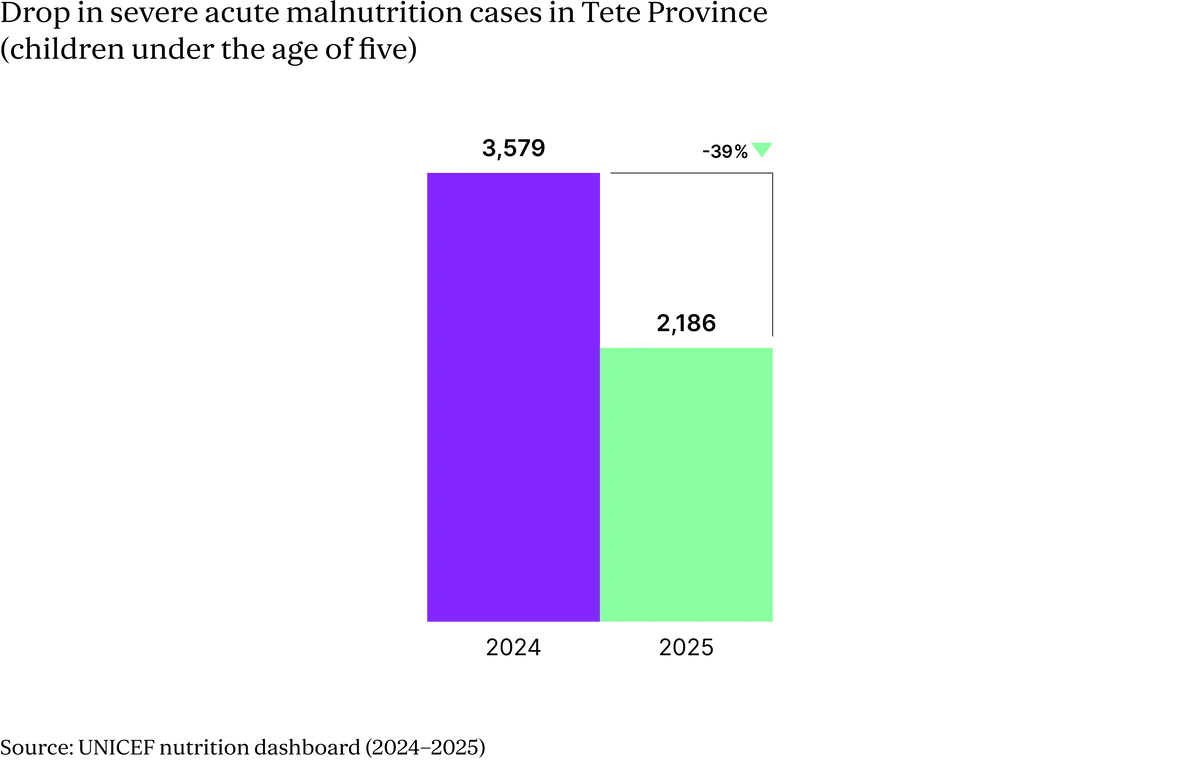
Most importantly, getting supplies to clinics and integrating outreach efforts, helped drive a 38% drop in severe malnutrition for children under five between 2024 and 2025.
The results were so strong that the Minister of Health asked every province to adopt this model. By packing nutrition and basic care into the same vehicle, Mozambique is proving that better coordination turns a hidden problem into a transformative solution.