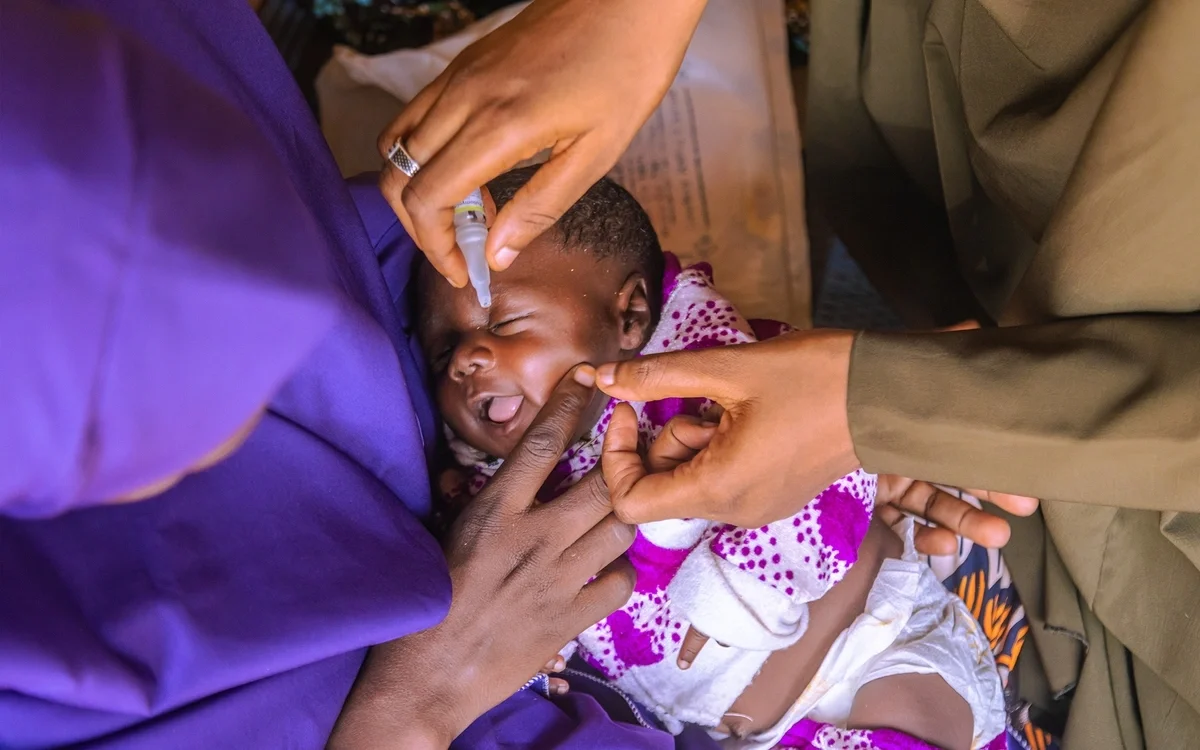
Delivering vaccines in Nigeria’s Zamfara State means racing against both time and terrain.
When seasonal rains turn dirt roads into rivers, or security risks suddenly seal off entire districts, rural communities can quickly get cut off. For years, routine immunisation was among the first services to be interrupted. Clinics across the state faced empty vaccine fridges, broken supply routes, and health teams unable to deliver reliable care for people on the ground. In some areas, vehicles arrived carrying polio vaccines while other essential vaccines were unavailable, simply because teams were not coordinated.
Yet in the first half of 2026, Zamfara showed how routine immunisation services could be strengthened even under significant environmental and security pressures.
Unlocking funds and bringing partners together
Zamfara’s progress did not depend on waiting for new emergency funding. Resources already existed within state funding mechanisms such as the Basic Healthcare Provision Fund (BHCPF), but administrative delays and competing priorities prevented them from reaching frontline services when they were needed.
State leaders brought key partners, including UNFPA and UNICEF, around a shared approach. Rather than funding outreach activities separately, resources were coordinated to support vaccinator stipends and repairs to facility cold-chain equipment. This gave health teams more reliable financial backing to reach children in remote communities.
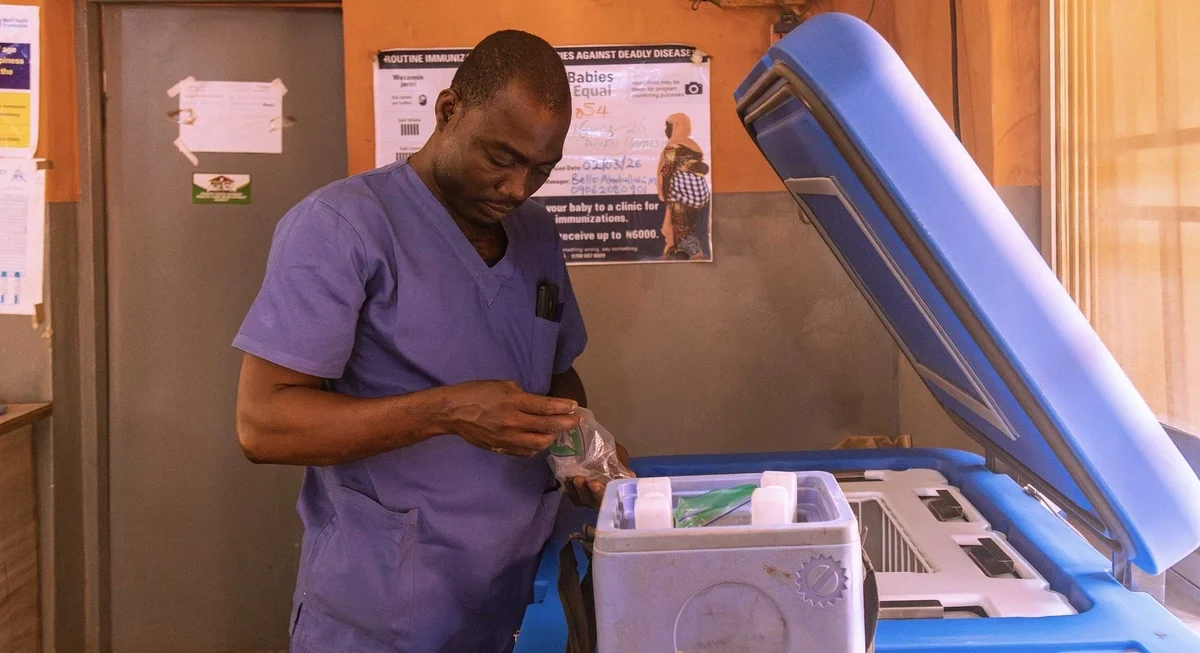
A health worker uses a vaccine refrigerator in Nigeria. Photograph: Yagazie Emezi
Integrating tools and outreach teams
To ensure those funds translated into vaccinations, Zamfara stopped paper tracking and mandated a single digital reporting tool for all partners and field workers. Supervisors gained live oversight of vaccine stock levels and outreach session completion. When a remote facility ran low on doses or lost power, managers spotted the issue instantly and rerouted vaccines before supplies ran out.
Outreach teams also worked to make each journey into remote areas count. To reduce the chances of staff running into bandits and to ensure each trip delivered what citizens needed, mobile teams combined routine immunisation with essential maternal and child health services, such as providing prenatal and postnatal care, and screening children for acute malnutrition.
Impact on the ground
With clearer data, more coordinated funding, and stronger community outreach, essential vaccines started to reach more communities in Zamfara. Community coverage for routine immunisation across the state increased from 16 per cent in May 2026 to 22 per cent in June 2026.
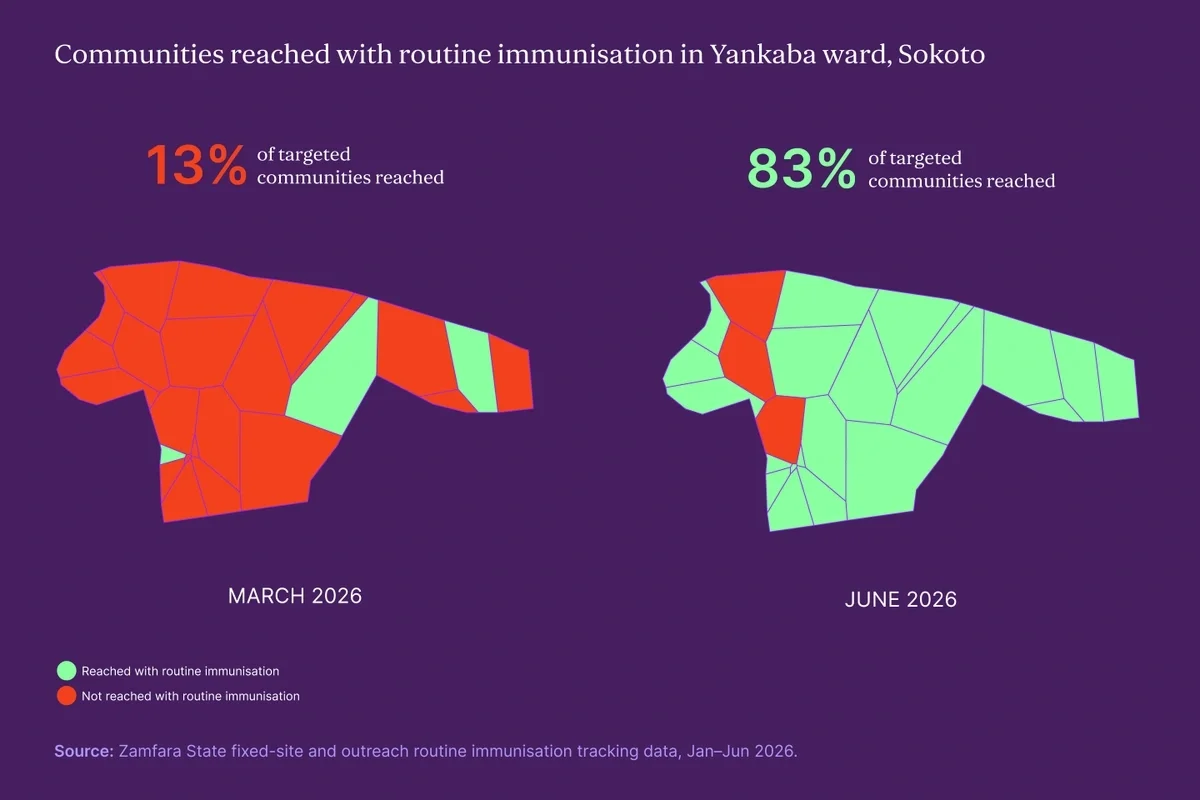
Some targeted areas saw dramatic turnarounds, with Yankaba ward increasing its routine immunisation coverage from 13 per cent in March 2026 to 83 per cent a month later. Yargeda ward’s coverage increased from 24 per cent to 71 per cent over the same period.
Between January and June 2026, the number of children vaccinated against polio each month in Zamfara increased from fewer than 2,000 to almost 12,000, extending protection to thousands more children than at the beginning of the year.
Zamfara’s experience shows that living in difficult settings shouldn’t sentence communities to neglect. Sometimes, the biggest gains come from making existing resources work better together. Shared local funds, better tracking, and teams ready to act on real-time insights are what’s needed to reach more citizens.